
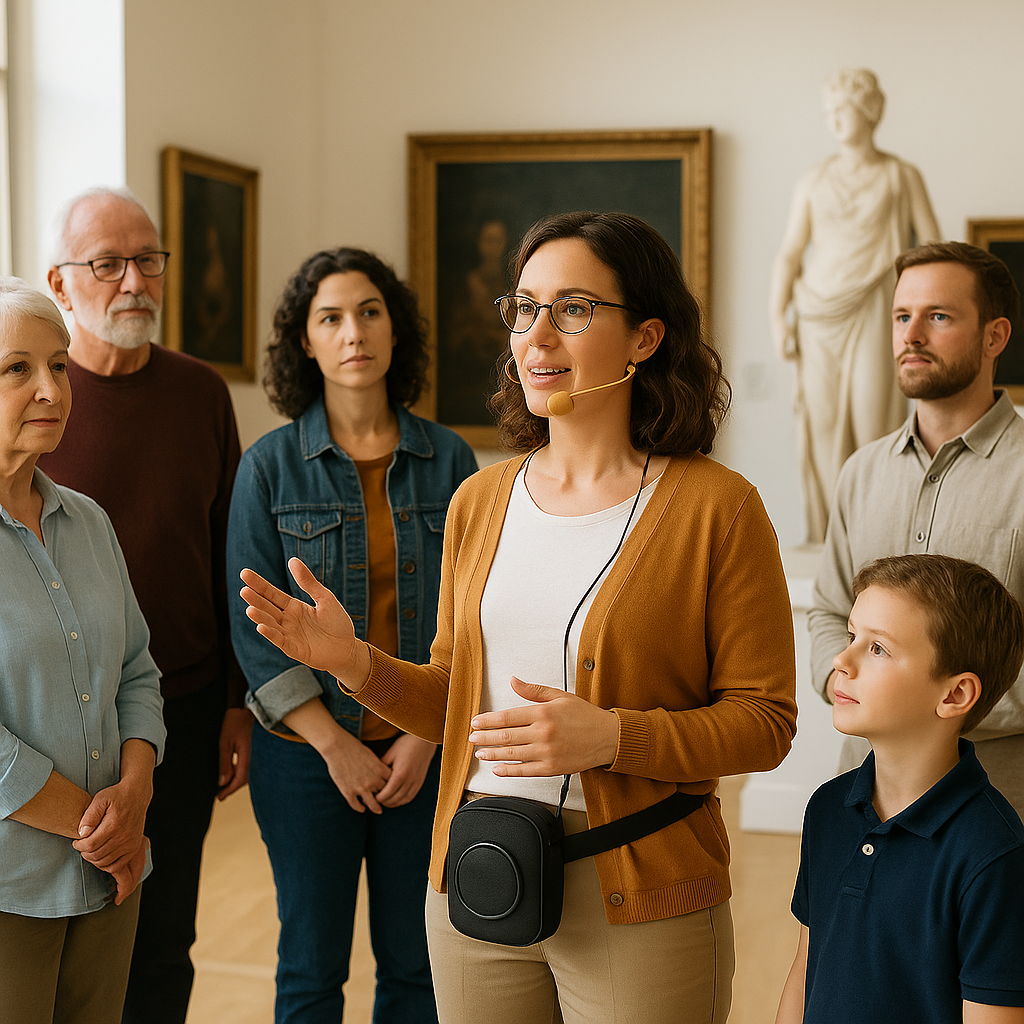
In museums, historic sites, and city tours, the challenge is rarely what to say. It is making sure every person can hear it. Hard surfaces, background noise, distance, and constant movement can all reduce speech clarity, especially for guests at the back of the group. A ChatterVOX® voice amplifier helps guides project naturally so more listeners stay connected without the guide needing to raise their voice.
For tour guides and museum educators, that matters for more than convenience. Clear voice carry supports engagement, pacing, and accessibility. When guests can hear directions, stories, and safety reminders the first time, the tour feels smoother and more inclusive. ChatterVOX® personal voice amplification systems are designed for exactly these real-world speaking situations: hands-free use, rechargeable operation, and clear output for people who need to be heard throughout the day.
This guide explains how to think about setup, group size, comfort, and battery life when choosing a ChatterVOX® portable voice amplifier for tours and museum work.
Why tours need clear, consistent voice carry
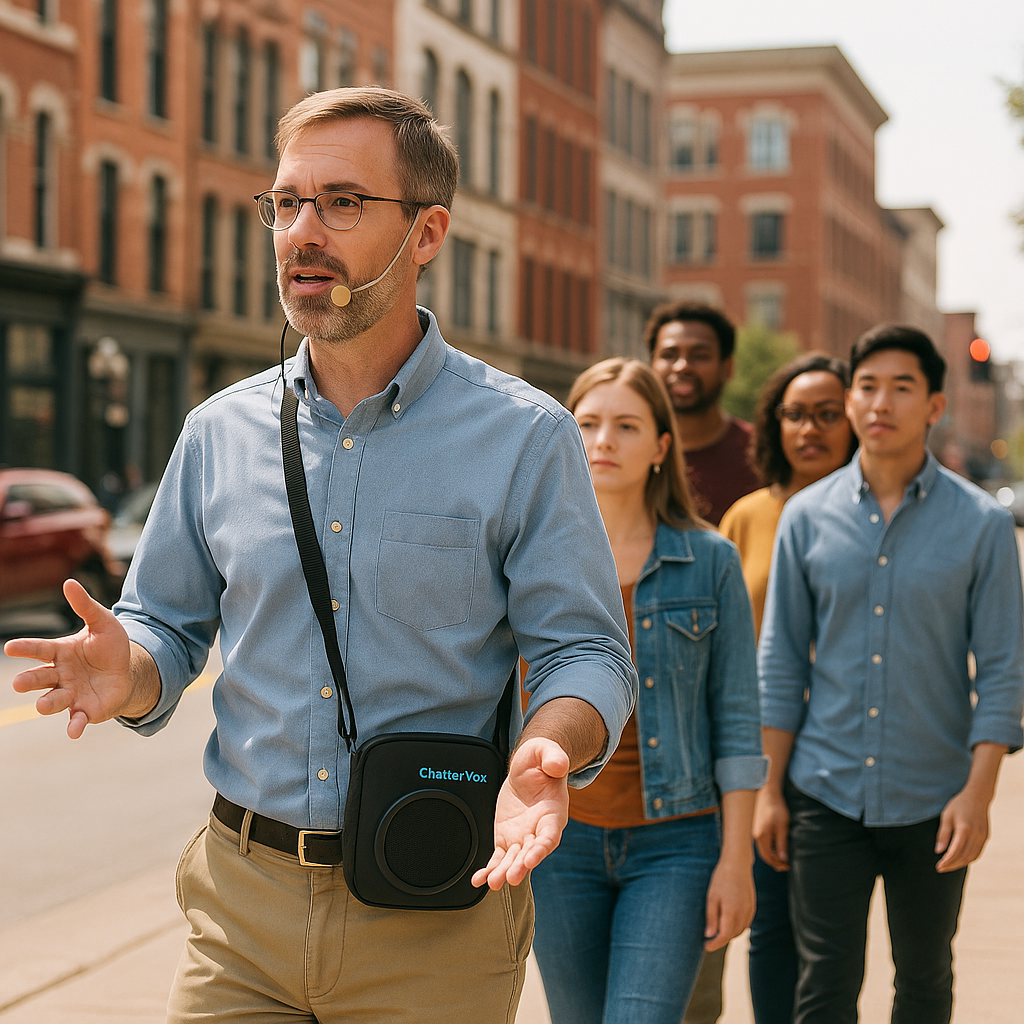
Tour environments are rarely acoustically friendly. Museum galleries often have reflective surfaces that create echo. Outdoor tours compete with traffic, wind, and street activity. Historic buildings may have narrow corridors, high ceilings, or uneven room layouts that make speech harder to follow from one stop to the next.
In these settings, guides often compensate by speaking louder for long periods. That can be tiring, and it may affect consistency by the end of a shift. A portable voice amplifier supports a more natural speaking level while helping the voice carry farther across the group.
That benefit is useful across many ChatterVOX® audiences, including classrooms, coaching fields, tours, museums, gyms, speech therapy, recovery, and everyday life. For guides in particular, amplification can help with:
- Keeping guests engaged during walking transitions and exhibit stops
- Reducing the need to repeat key facts and directions
- Supporting clearer communication in echoing or noisy spaces
- Helping guests at the back of the group hear more consistently
- Protecting the guide’s voice during multi-tour days
For museum educators, docents, and presenters who speak several times a day, voice protection is a practical concern. ChatterVOX® is positioned around being heard effortlessly, without shouting or vocal strain. That same principle also matters for people living with Parkinson’s, ALS, and other voice conditions, as well as those navigating vocal recovery or working in speech-language therapy settings. In all of these cases, amplification is best understood as gentle, supportive assistance rather than a medical solution.
Choosing a setup for walking and standing tours
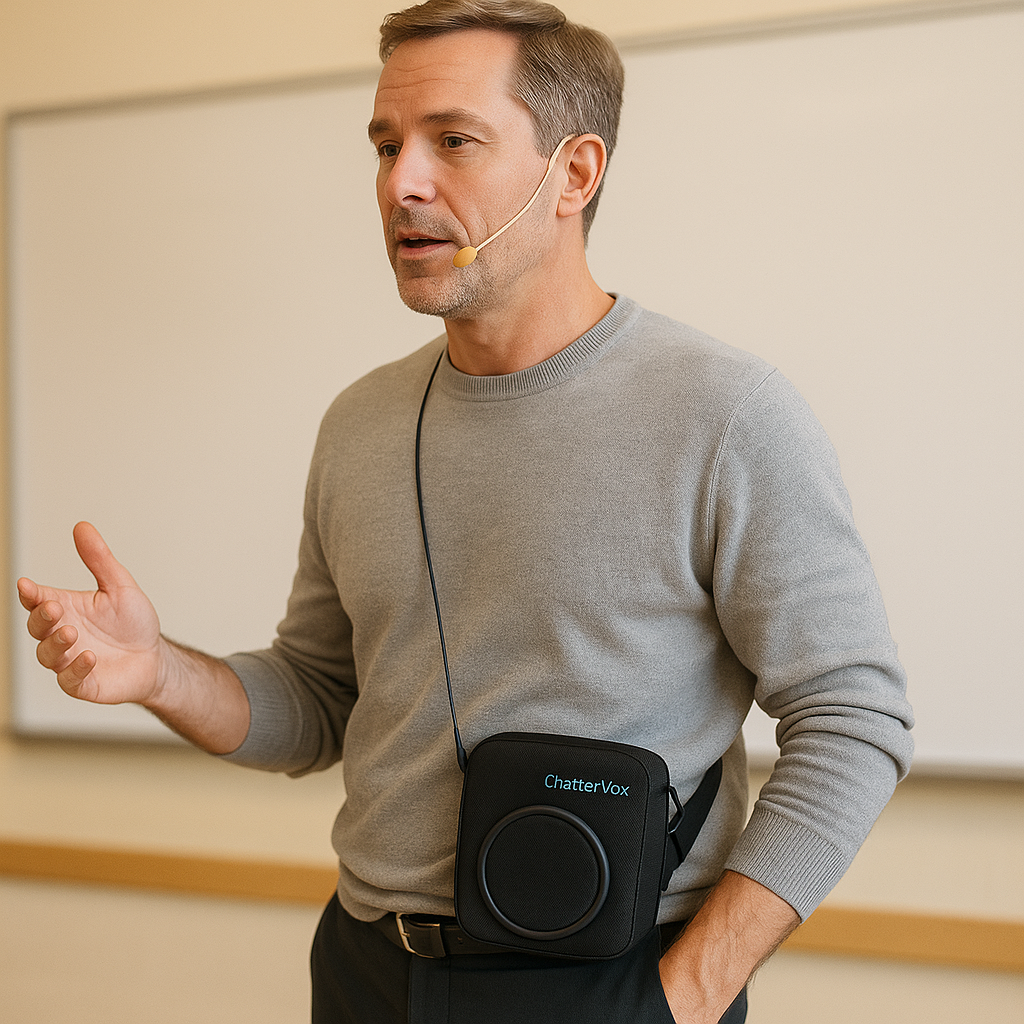
The best setup depends on how you lead your group. Some tours move continuously through streets, campuses, or large museums. Others pause often for interpretation at fixed stops. In both cases, hands-free use is important because guides need to gesture, point out details, manage materials, and maintain eye contact.
ChatterVOX® portable voice amplifiers are known for wearable, practical designs that support active speaking roles. When comparing options, start with how mobile your day is and how much coverage you need.
For walking tours
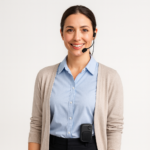
Walking tours benefit from a setup that stays comfortable and stable while moving. A headset microphone is often a practical choice because it keeps the mic position consistent as the guide turns, walks, and speaks to different parts of the group.
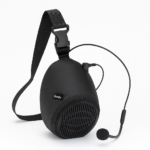
The ChatterVOX® Pro w/ Headset Mic is a natural model to consider when you want hands-free clarity and a streamlined setup for active guiding. A consistent mic position can help maintain even output as you move between quieter and noisier areas.
For standing stops and interpretive talks
If your tours include longer stops in galleries, museums, visitor centers, or historic rooms, think about room size and how far listeners may spread out. In these moments, clear, distortion-free output matters because guests are focused on details, names, dates, and questions. A personal voice amplification system should support natural speech rather than making the guide sound harsh or overdriven.
For educators who alternate between tours and presentations, it can help to review the full ChatterVOX® portable voice amplifier collection and compare models by use case, room size, and wearing preference.
For larger or more energetic groups
Some guides work with school groups, camp groups, or public tours where energy levels are high and spacing is less predictable. In those cases, a model selected for stronger carry and durable daily use may be the better fit. The ChatterVOX® Model 6 Coaching Amplifier is often relevant when the environment feels closer to a field, courtyard, or active training space than a quiet gallery.
For users who want another wearable option within the brand’s personal voice amplification systems, ChatterVOX® Amplio may also be part of the comparison depending on the setting and speaking routine.
Managing group size and noisy environments
Not every tour needs the same level of amplification. A small gallery talk for ten people is different from a busy museum day with school groups, or a walking tour on a downtown sidewalk. Choosing well starts with three practical questions:
- How large is the group most of the time?
- How much background noise is typical?
- How spread out are listeners during movement and stops?
If your groups are compact and your spaces are relatively controlled, a lighter everyday setup may be enough. If your tours regularly involve outdoor noise, open-air plazas, gym-like activity spaces, or large exhibit halls, you may need a model chosen for stronger voice carry.
It also helps to think about the difference between loudness and intelligibility. Simply speaking louder does not always make speech easier to understand, especially in reverberant rooms. Clear amplification can improve consistency so consonants and instructions are easier to catch across the group.
Practical ways guides can improve clarity
- Position the microphone consistently before the tour starts
- Do a quick sound check in the actual space, not just backstage
- Ask the back row whether your level is comfortable at the first stop
- Pause briefly when moving from quiet interiors to noisy exteriors
- Keep the amplifier placement secure so sound remains steady while walking
- Use natural pacing instead of trying to overpower the room
These habits are useful not only for tours and museums, but also for teachers, professors, coaches, trainers, and presenters who work in changing acoustic conditions. The goal is the same: clear communication without unnecessary strain.
Good tour audio is not about sounding louder than the environment. It is about helping every listener hear the guide’s natural voice more clearly.
Comfort and battery considerations for long shifts
Tour days can be long. A guide may lead several back-to-back groups, move between indoor and outdoor stops, and spend hours on their feet. That makes comfort and battery planning just as important as sound quality.
ChatterVOX® is trusted for over 25 years as the original portable voice amplifier brand, and that long-standing focus shows up in the practical features users look for every day: comfort, durability, rechargeable operation, and dependable clarity.
Why comfort matters
A wearable amplifier should feel manageable over a full shift, not just during a short demo. Guides often need to bend, turn, climb stairs, handle tickets, point to exhibits, or manage group flow. A hands-free setup helps keep those movements natural.
When evaluating comfort, consider:
- Whether the amplifier can be worn securely during walking tours
- How the headset or microphone feels over extended use
- Whether the setup allows easy movement between stops
- How quickly you can put it on and remove it between tours
Why battery planning matters
All-day rechargeable battery life is especially valuable for guides and educators with stacked schedules. Recharging between every tour is not always realistic, so it helps to choose a system designed for day-long use and build a simple routine around it.
- Charge fully before the workday begins
- Keep your microphone and amplifier stored together after each shift
- Test the system before the first group arrives
- Match your model choice to the length and intensity of your typical day
Durability also matters in this category. Tours involve frequent transport, repeated setup, and changing environments. A dependable portable voice amplifier should support regular use in classrooms, coaching spaces, museums, tours, and everyday speaking roles without feeling delicate.
For some users, especially those managing vocal fatigue, recovery, or a voice condition, comfort can also mean reducing the pressure to push the voice through a long day. That is where supportive amplification can be especially helpful, while still staying within the guide’s normal speaking style.
Next step: plan your tour-day setup
If you are choosing a chattervox voice amplifier for tours or museum education, start with your actual workday rather than a generic feature list. Think through where you speak, how much you move, how large your groups are, and how often you work in noise or echo.
A simple planning checklist can help:
- List your most common tour environments: gallery, street, campus, museum, historic site, or outdoor venue
- Estimate your usual group size and the largest group you regularly lead
- Decide whether you need a setup mainly for walking, standing talks, or both
- Prioritize hands-free comfort for the length of your shift
- Choose rechargeable reliability that fits your daily schedule
- Compare models from the official store so you know you are getting authentic ChatterVOX® equipment
That last point matters. When you are buying equipment for professional use, authenticity and product fit are important. ChatterVOX® is the official home of the original portable voice amplifier, trusted by teachers, coaches, tour guides, presenters, and people with voice conditions who need clear, practical support.
See ChatterVOX® voice amplifiers at SchoolPHONES®, the authorized education retailer for authentic ChatterVOX® systems.
FAQ
Is a ChatterVOX® voice amplifier useful for museum tours?
Yes. Museums often have echoing galleries, large rooms, and groups that spread out at exhibits. A portable voice amplifier can help guests hear more clearly without the guide needing to raise their voice.
Which ChatterVOX® model is best for walking tours?
That depends on your route, group size, and noise level. Many guides prefer a hands-free setup with a headset microphone, such as the ChatterVOX® Pro w/ Headset Mic, because it helps keep sound consistent while moving.
Can ChatterVOX® help reduce vocal strain for guides?
It can support more natural speaking in demanding environments, which may help reduce the need to project forcefully. It is not a medical treatment or substitute for professional advice.
Are ChatterVOX® amplifiers only for tours?
No. ChatterVOX® personal voice amplification systems are also used in classrooms, coaching fields, gyms, speech therapy settings, recovery, presentations, and everyday life where clear voice carry is helpful.
How should I choose the right setup?
Start with your room size, group size, noise level, and how long you wear the system each day. Then compare authentic options through the official ChatterVOX® store collection.


Leave a Reply